
Oil Change in Lake in the Hills Illinois
Keeping up with regular oil changes is one of the simplest ways to protect your engine and support reliable vehicle performance. JD Auto Specialists provides oil change service in Lake in the Hills Illinois for drivers who want routine maintenance handled by experienced automotive professionals. Our shop is located at 9114 S. Virginia Road Unit 107 in Lake in the Hills.
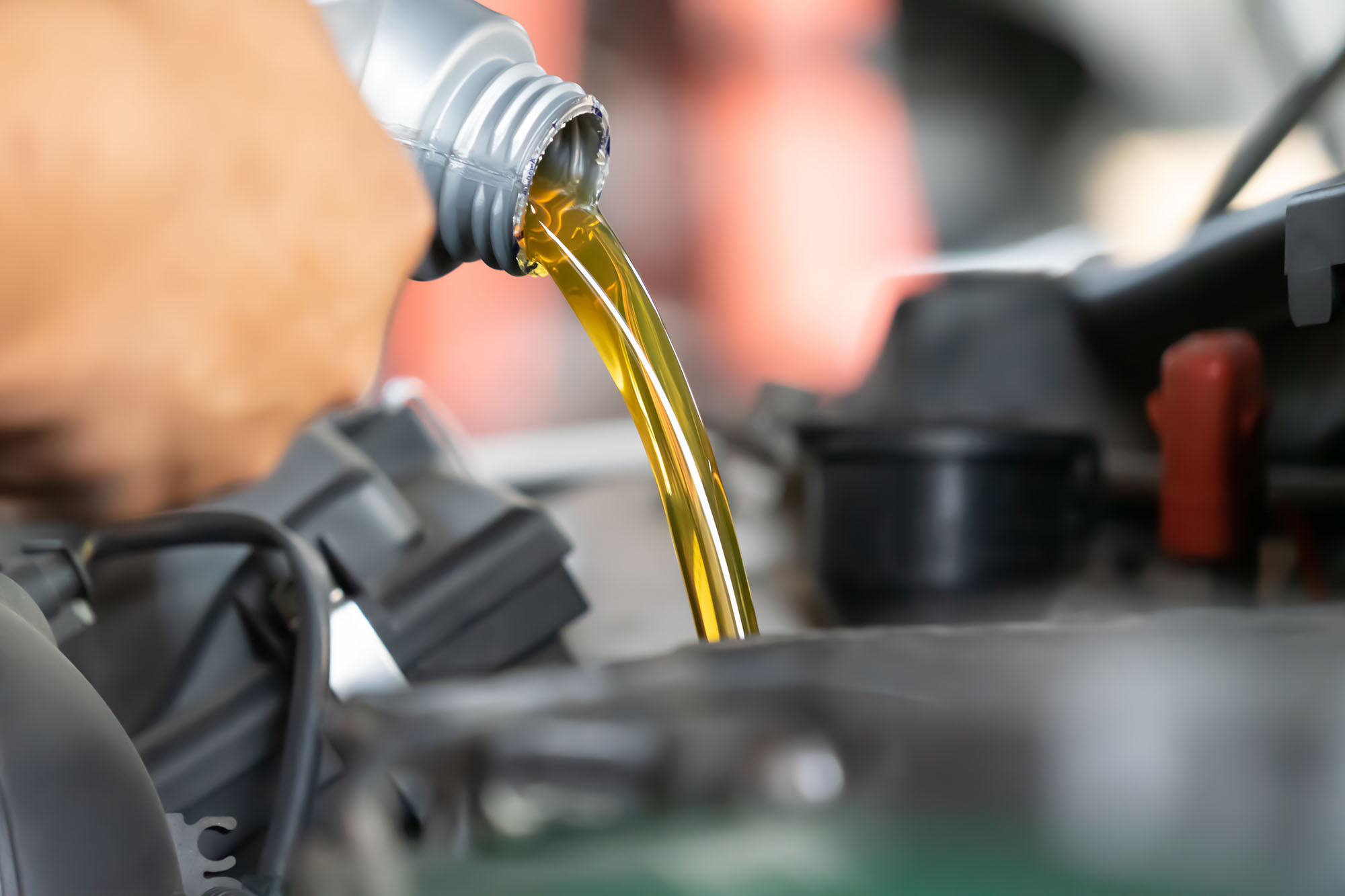
Engine oil works continuously while your vehicle is running. It lubricates moving engine components helps manage heat and carries contaminants toward the oil filter. As the oil ages it gradually becomes less effective at doing its job. Changing it according to the maintenance schedule recommended for your vehicle helps protect internal engine components and keeps routine maintenance on track.
If your vehicle is due for service contact JD Auto Specialists at 224-298-8819 to discuss your oil change needs.
Signs Your Vehicle May Need Electrical Repair
Electrical problems can appear suddenly or develop intermittently. Some issues prevent the vehicle from starting, while others affect individual systems or accessories.
Common signs include:
-
Vehicle will not start
-
Slow or difficult engine cranking
-
Battery repeatedly loses its charge
-
Dashboard warning lights
-
Headlights or interior lights flickering
-
Electrical accessories working intermittently
-
Power windows or locks not operating correctly
-
Charging-system concerns
-
Blown fuses
-
Unusual electrical behavior
-
Starting problems that come and go
-
Multiple warning lights appearing together
These symptoms can have several possible causes, so testing is important before deciding which component needs repair.
Electrical Repair for Lake in the Hills Drivers
Today’s vehicles use extensive electrical and electronic systems. Even functions that were once primarily mechanical may now depend on sensors, modules, wiring, and computer-controlled components.
JD Auto Specialists provides electrical repair and related automotive services from its Lake in the Hills location. If your vehicle has trouble starting, repeatedly loses battery power, or has an electrical feature that no longer operates correctly, diagnostic testing can help narrow down the problem.
The goal is to identify the cause rather than replacing components based only on symptoms.
Battery Starting and Charging Problems
The battery, starter, and charging system work closely together, which means a starting problem does not automatically indicate a failed battery.
A weak or discharged battery can cause slow cranking or prevent the engine from starting. However, similar symptoms can also involve battery connections, the starter, charging system, wiring, or other electrical components.
If a replacement battery repeatedly becomes discharged, simply installing another battery may not resolve the underlying problem.
Testing the starting and charging systems can help determine which part of the system requires attention.
Alternator and Charging System Concerns
The charging system helps maintain battery charge and provides electrical power while the engine is operating.
If the charging system is not working correctly, drivers may notice a battery or charging warning light, dim or flickering lights, electrical malfunctions, or a vehicle that eventually stops running.
These symptoms do not automatically prove that the alternator has failed. Wiring, connections, battery condition, belt-related issues where applicable, and other electrical faults may affect charging performance.
Proper testing can help determine the source.
Why Won’t My Car Start?
A no-start condition can have many causes, including electrical and non-electrical problems.
Possible electrical causes can involve:
-
Weak or discharged battery
-
Poor battery connections
-
Starter problems
-
Wiring faults
-
Fuses or relays
-
Ignition-related components
-
Sensors or electronic controls
-
Charging-system problems
The sound and behavior of the vehicle can provide useful clues. For example, a vehicle that does not crank presents a different diagnostic situation from an engine that cranks normally but does not start.
Tell the technician exactly what happens when you attempt to start the vehicle.
Wiring and Electrical Connection Problems
Automotive wiring allows electrical power and information to move between components throughout the vehicle.
Loose connections, damaged wiring, corrosion, excessive resistance, or other circuit problems can create intermittent or complete failures.
Electrical faults can sometimes be difficult to identify because a problem may only appear under certain conditions. Movement, vibration, temperature, or moisture may influence an intermittent connection.
Systematic electrical testing helps trace the affected circuit instead of replacing unrelated components.
Fuses and Relays
Fuses protect electrical circuits from excessive current. Relays allow electrical circuits to control other components.
A blown fuse can explain why a particular system has stopped working, but replacing the fuse without understanding why it failed may not solve the underlying problem.
If a replacement fuse blows again, the circuit should be investigated for the condition causing excessive current.
Similarly, a malfunctioning relay can affect component operation, but testing should confirm the fault before replacement.
Dashboard Warning Lights and Electrical Diagnostics
Dashboard warning lights can appear when vehicle computers detect faults involving electrical, engine, charging, braking, emissions, or other monitored systems.
Diagnostic trouble codes can provide valuable information, but they should be treated as a starting point rather than an automatic instruction to replace a particular part.
Testing may involve reviewing codes, checking circuit operation, inspecting wiring, evaluating component signals, and considering the vehicle’s symptoms.
This approach can help identify whether the problem involves a component, connection, circuit, or another system.
Intermittent Electrical Problems
Some electrical problems disappear before the vehicle reaches the repair shop. This does not necessarily mean the issue has resolved itself.
If possible, note:
-
When the problem occurs
-
Whether the engine is hot or cold
-
Weather conditions
-
Which accessories are operating
-
Which warning lights appear
-
Whether the vehicle starts normally afterward
-
How frequently the problem happens
Photos or videos of dashboard warnings or unusual electrical behavior can also provide useful information when the symptom is intermittent.
Electrical Repair and Preventive Vehicle Care
Not every electrical failure can be prevented through routine maintenance, but paying attention to warning signs can help identify problems before they become more disruptive.
Battery condition, visible terminal corrosion, warning lights, starting behavior, and charging-system performance can provide useful clues about vehicle condition.
If your vehicle begins cranking more slowly, repeatedly requires a jump start, or develops unusual electrical behavior, diagnosing the problem early can help determine whether the battery or another part of the system needs attention.
Same Service We Provide In Your Nearby Area
Other Services We Provide In Your Area
Frequently Asked Questions About Electrical Repair
What are common signs of a vehicle electrical problem?
Starting difficulties, a repeatedly discharged battery, flickering lights, malfunctioning accessories, warning lights, and intermittent electrical behavior can indicate a problem that needs diagnosis.
Does a car that will not start always need a new battery?
No. A no-start condition can involve the battery, connections, starter, charging system, wiring, electronic controls, or other vehicle systems. Testing helps determine the cause.
Why does my car battery keep dying?
A battery can repeatedly lose charge because of battery condition, charging-system problems, an electrical draw while the vehicle is off, connection problems, or other faults. Diagnosis is needed to determine why it is happening.
Why do my headlights flicker?
Flickering lights can be associated with electrical connections, charging-system performance, wiring, or other circuit problems. The electrical system should be tested to identify the cause.
Why does the same fuse keep blowing?
A fuse that repeatedly fails may indicate excessive current or a fault within the protected circuit. Repeatedly replacing the fuse without identifying the cause is not a proper repair.
Schedule Electrical Repair in Lake in the Hills Illinois
If your vehicle is difficult to start, repeatedly loses battery power, displays warning lights, or has electrical components that are not working correctly, proper diagnostics can help identify the source of the problem.
JD Auto Specialists is located at 9114 S. Virginia Road Unit 107 Lake in the Hills Illinois 60156. Call 224-298-8819 to discuss your electrical repair or related automotive service needs.
Start today
Best Customer Service And Support